



MacroeconomicsUK
16 March 2026
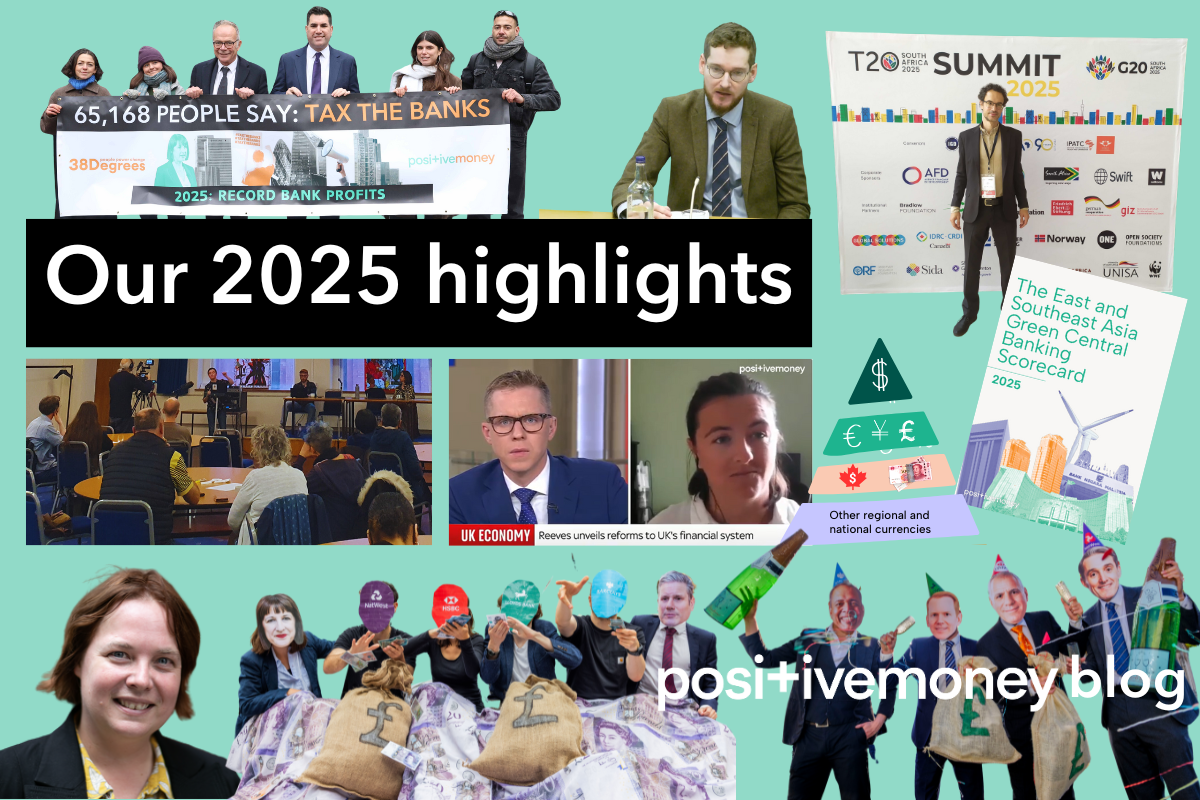
What a busy 2025 that was! From our #TaxTheBanks petition with nearly 70,000 signatures, our first report focused on East and Southeast Asia, a new Co-Executive Director and copious media appearances - it’s been an incredible year. Join us as we take a look back at some of our highlights.
2025 was another bumper year for Positive Money, as we gained our second highest number of signatures ever for our #TaxTheBanks petition, welcomed our new Co-Executive Director Sara Hall, published our first report centred on the East and Southeast Asia region and secured our recommendation for a more multi-lateral international financial architecture in the T20 Final Communiqué to G20 leaders.
We gained almost 200 pieces of media coverage, with headlines in The Guardian, The Mirror, and OpenDemocracy to name just a few, and interviews on Sky News, LBC, and BBC Radio London. We also published eight policy briefings, spanning analysis of bank lending data, the National Wealth Fund, recommendations to the G20 on local currency financing and more. Take a dive into more of our work from 2025, to reflect on all we’ve achieved together.
Our biggest news in January was the announcement of our new Co-Executive Director Sara Hall. Since starting in April, it’s hard to believe just how much of a difference Sara’s made to our team in such a short time! January also marked our briefing to MPs on monetary policy, climate change and nature loss at the Bank of England, with suggested questions for MPs to ask the Treasury. This was the start of lots of work throughout 2025 with partners on this topic, as part of our Network for Greening the Bank of England.
In February, we published calculations for a windfall tax based on the 2024 profits of the UK’s Big Four banks, and a briefing with different options for taxation, kicking off our #TaxTheBanks campaign for 2025 in earnest. Keeping on the banking theme, also in February, we published an analysis of what UK banks lent to in 2024. Our briefing, covered in The Banker, showed that the vast majority of bank lending goes towards financial speculation and mortgages, and not to the real economy or supporting growth - as bank CEOs so often claim. This data is released twice a year, so we updated our analysis with another briefing in August, showing mortgage lending has reached £1.5 trillion.
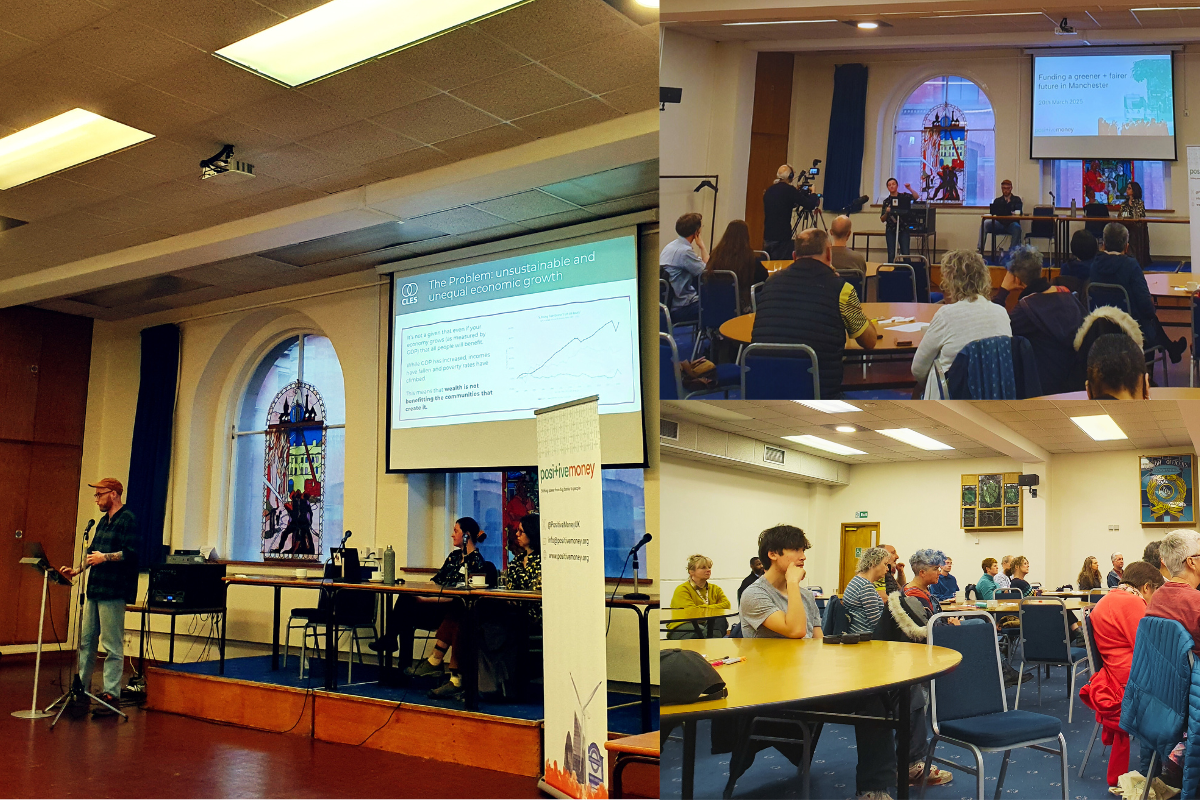
In March, we hosted two events on how to finance a just green transition in Bristol and Manchester. Getting together in person we were really able to feel the appetite in the rooms for change, and the excitement for progressive alternatives that centre people and the planet. We felt that same passion outside the Treasury when we joined War on Want’s pre-Spring Statement rally to Tax the Super Rich.
Ahead of the Spring Statement, rumours began swirling that the Chancellor was going to cave to the wishes of big finance and investment firms, and slash the tax-free cap on Cash ISAs from £20,000 to £4000. In response, we launched our #SaveOurSavings petition, and together with 38 Degrees quickly gained over 45,000 signatures. We were pleased to win a pause on these plans in the summer when they weren’t announced in July’s Mansion House speech, as we celebrated on Sky News. Sadly, the tax-free cap was eventually slashed in November’s Budget, in a move which truly showed the power of big finance over our democracy - but, in a small win, the cap was dropped to only £12,000 rather than the rumoured £4000.
In April, talk of Trump’s tariffs was dominating the airwaves, and thanks to our ‘Beyond Dollar Dominance’ report published last year, we were ready to weigh in on how these developments impact our International Monetary and Financial System (IMFS). Our Senior Researcher Alec published an op-ed in OpenDemocracy, arguing that countries in Africa should seize this moment to further reduce dollar dependency, and we published several explainer videos on global trade and tariffs. Alongside this, we launched our ‘Dollar Dominance: Explained’ three-part blog series, to lay out in an accessible way the foundational concepts behind our ‘Beyond Dollar Dominance’ report, and several other research-focused blogs. Later in the year, we also hosted a webinar on the topic; ‘A World Beyond the Dollar? Making sense of a changing currency landscape’.
At the end of April, the Treasury Select Committee published a report on cash acceptance, with several citations of the evidence we submitted, warning that we’re “at risk of a two-tier society” if cash is not protected. In response, we joined TalkTV to speak about the report’s findings, were quoted in The Mirror, and launched our #KeepCashAlive petition - that’s still live, so don’t forget to sign!
We kept building the #KeepCashAlive campaign through May, as we asked our fantastic community to share personal experiences of why cash is important. We featured several stories on social media, and in a blog. Our Senior Communications Officer Chloe also shared her own cash experience after experiencing a cyber attack at a supermarket, and we headed onto the streets of London to capture people’s thoughts on camera, too.
We kicked off May by updating our bank windfall tax calculations following Q2 profits, and former Prime Minister Gordon Brown became the latest high profile figure to lend his support for bank taxes, using our profit calculations in his proposal for tackling child poverty. Also in the news in May, the government stepped in to take control of British Steel, something our Senior Policy and Advocacy Manager Ellie argued in an op-ed for Edie was a symptom of the need for a proper industrial strategy, with the National Wealth Fund (NWF) at its heart.
Also across May, our Senior Researcher Joe published a three-part blog series on moving our economy from growth to wellbeing, and in July, he headed to Oslo to present his research at the ISEE - Degrowth Conference. We look forward to building on this further in 2026.
June was a month with collaboration front and centre, as we truly are stronger together. We joined dozens of organisations in signing an open letter in The Guardian, calling on Keir Starmer to attend the UN Financing for Development Conference (FfD4) and tackle the global debt crisis. On the same theme, we joined the Climate Justice Coalition’s Global Day of Action on finance ahead of FfD4, as giant jenga pieces toppled over on London’s South Bank!
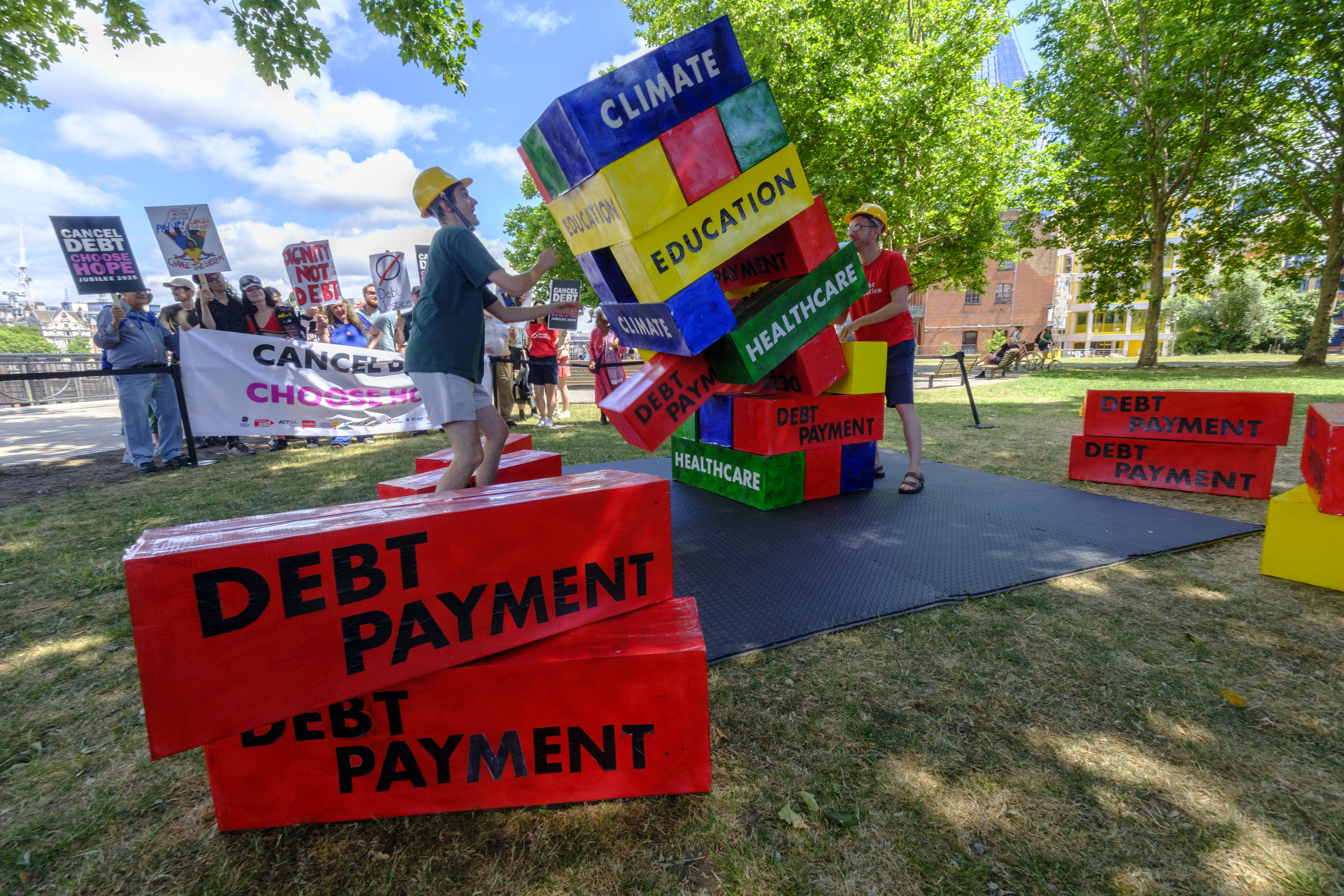
Photo credit: Jess Hurd
Also in June, we joined Green New Deal Rising and others to call for wealth taxes ahead of the spending review, and spoke to BBC Radio London about the fallacy of fiscal rules.
Not only did our coalition work allow us to reach wider audiences in 2025, our fantastic network of local groups helped spread Positive Money messages on a local level across the UK too; with stalls in Southampton, an online lecture series in Belfast, discussions in Brighton, and screenings in Hammersmith. In November, we were also delighted to welcome a new local group, as Positive Money Royal Holloway University was created.
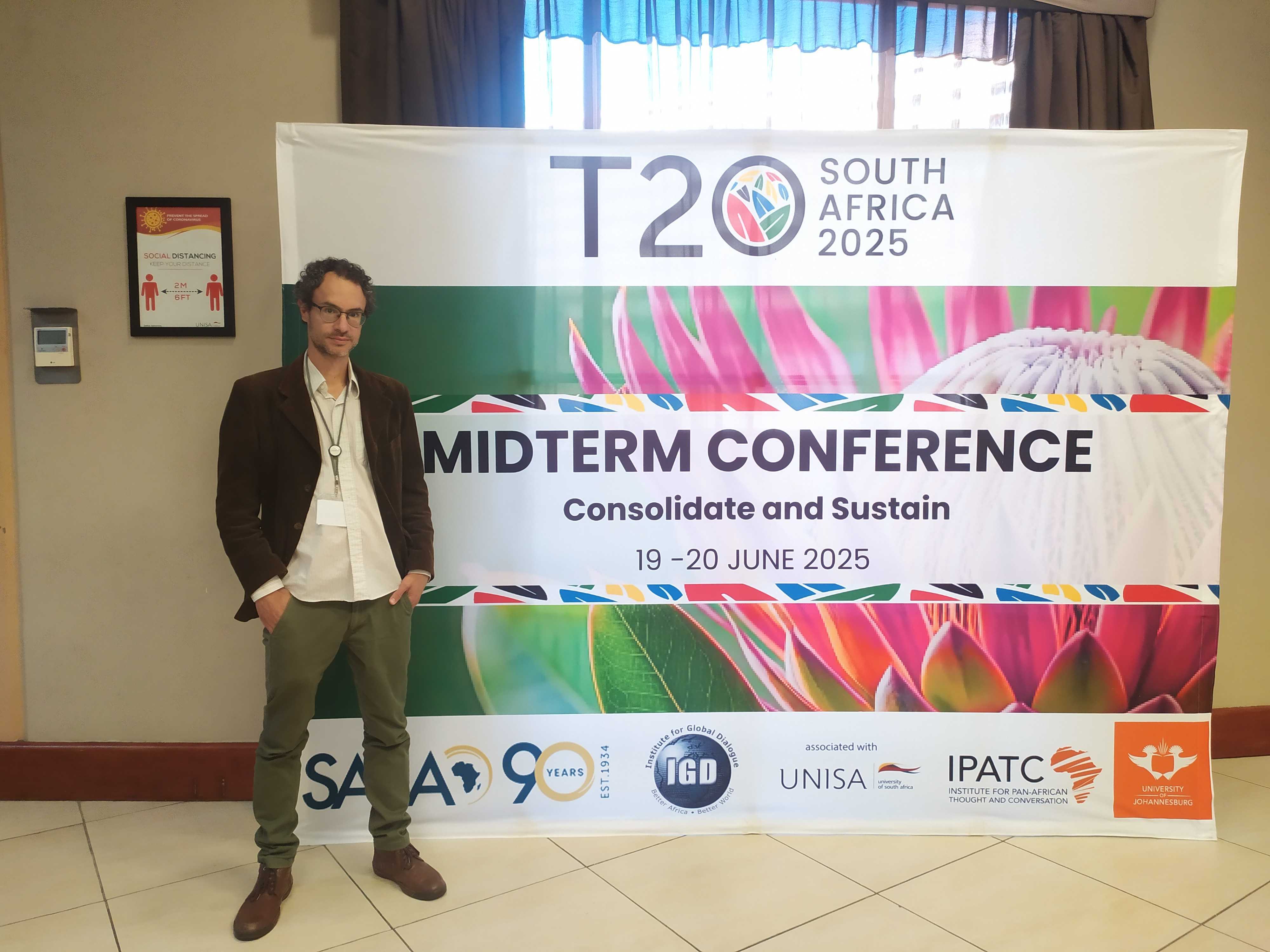
We began July with a huge win as our recommendation to build a multi-currency International Financial Architecture was included in the T20 Final Communiqué to the Head of States of the G20. Positive Money EU’s Senior Researcher Bruno built on this fantastic progress at the final T20 summit in November, speaking at the roundtable on ‘Digital Money: The G20's Next Financial Frontier’. Keep an eye out for lots more work on this in 2026!
Also in July, we sent another National Wealth Fund briefing to MPs, and welcomed an announcement from the Liberal Democrats in September, that they would use the proceeds of a bank windfall tax to fund an Energy Security Bank to offer cheap financing for retrofit loans - one of the recommendations made in our briefing. Throughout the year we’ve done lots of work behind the scenes to push for a more progressive NWF, including a submission to the Treasury Committee’s inquiry back in April
In the summer, we relaunched our #TaxTheBanks petition with 38 Degrees, and landed a full page spread in The Mirror newspaper. We ramped up the pressure even further, with an action outside the Bank of England to call on Reeves and Starmer to get out of bed with the big banks and tax them.
September was a particular busy month, as we released our East and Southeast Asia Green Central Banking Scorecard report, with an incredible launch event featuring several high profile speakers. Despite being our first publication in this region, we received coverage in Green Central Banking, The Business Times and The Korea Times, as well as several other Korean outlets, and report author Joe also wrote an op-ed for Edie.
As parliament returned from summer recess, our #TaxTheBanks campaign, alongside the taxing wealth movement, really got into gear. The Trades Union Congress, representing over 5.5 million workers, threw their support behind the idea, with polling showing two out of three voters agreed. We joined thousands of people on the streets of London for the Make Them Pay march, our Co-ED Sara made the case to MPs in LabourList, and our video taking down Barclays’ CEO got nearly 50,000 views across TikTok and Facebook.
Also in September, we coordinated a joint briefing with 11 members of the Network for Greening the Bank of England, to mark the 10-year anniversary of Mark Carney’s ‘Tragedy of the Horizon’ speech. The briefing called for parliamentarians to put pressure on the Bank of England to support the green transition, and was covered in The Guardian.
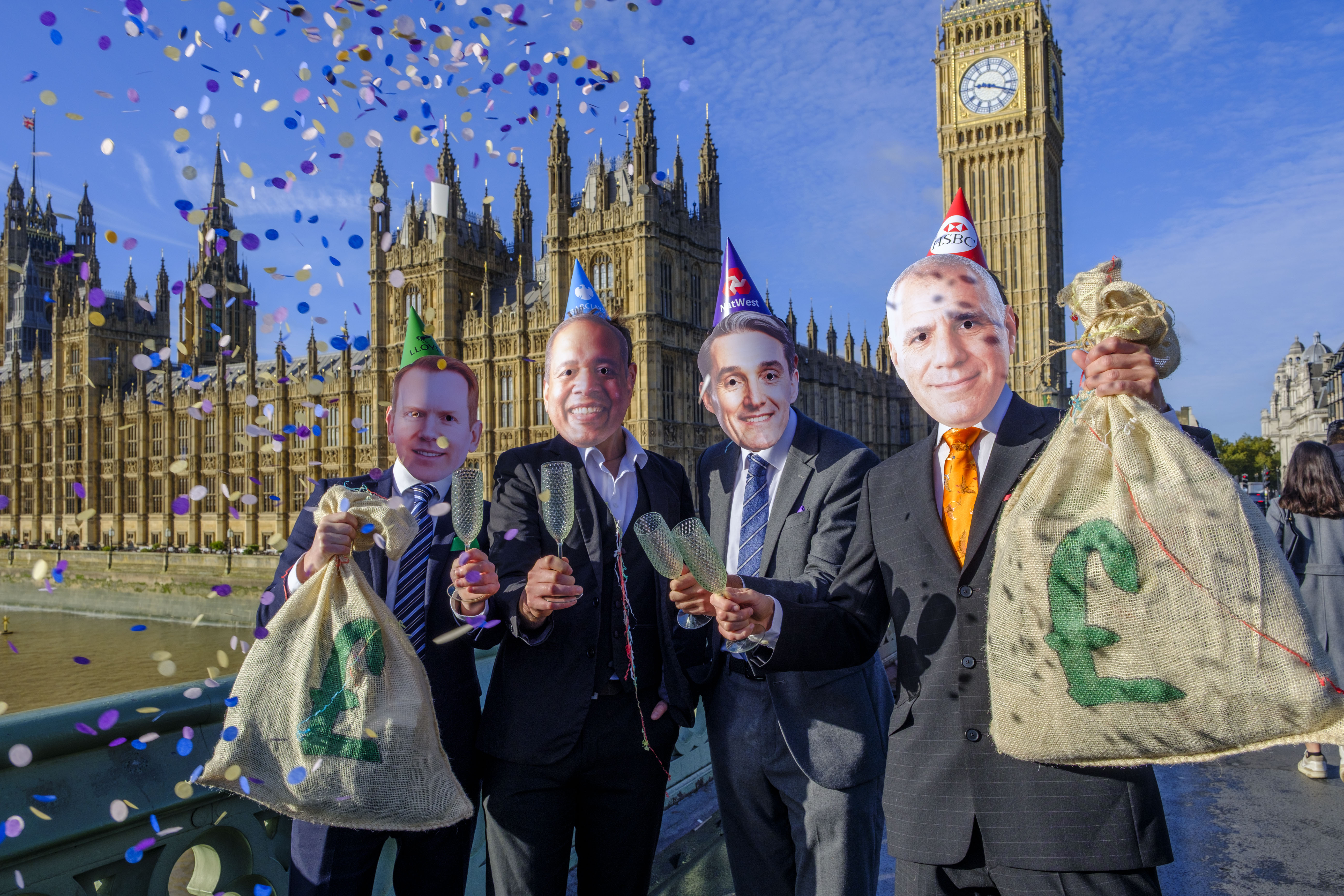
Photo credit: Jess Hurd
In October, we turned up the heat to #TaxTheBanks even further, as thousands of you contacted MPs with emails and postcards. Rumours that the Treasury was considering the policy hit the front page of the i Paper and we crashed bank CEOs’ party outside Parliament. Ahead of the Autumn Budget in November, we delivered the #TaxTheBanks petition with over 68,000 signatures to Chancellor Rachel Reeves’ front door, alongside MPs Richard Burgon and Simon Opher. Whilst we didn’t win, we made this issue front and centre and won’t stop pushing back against the power of big finance in 2026 and beyond.
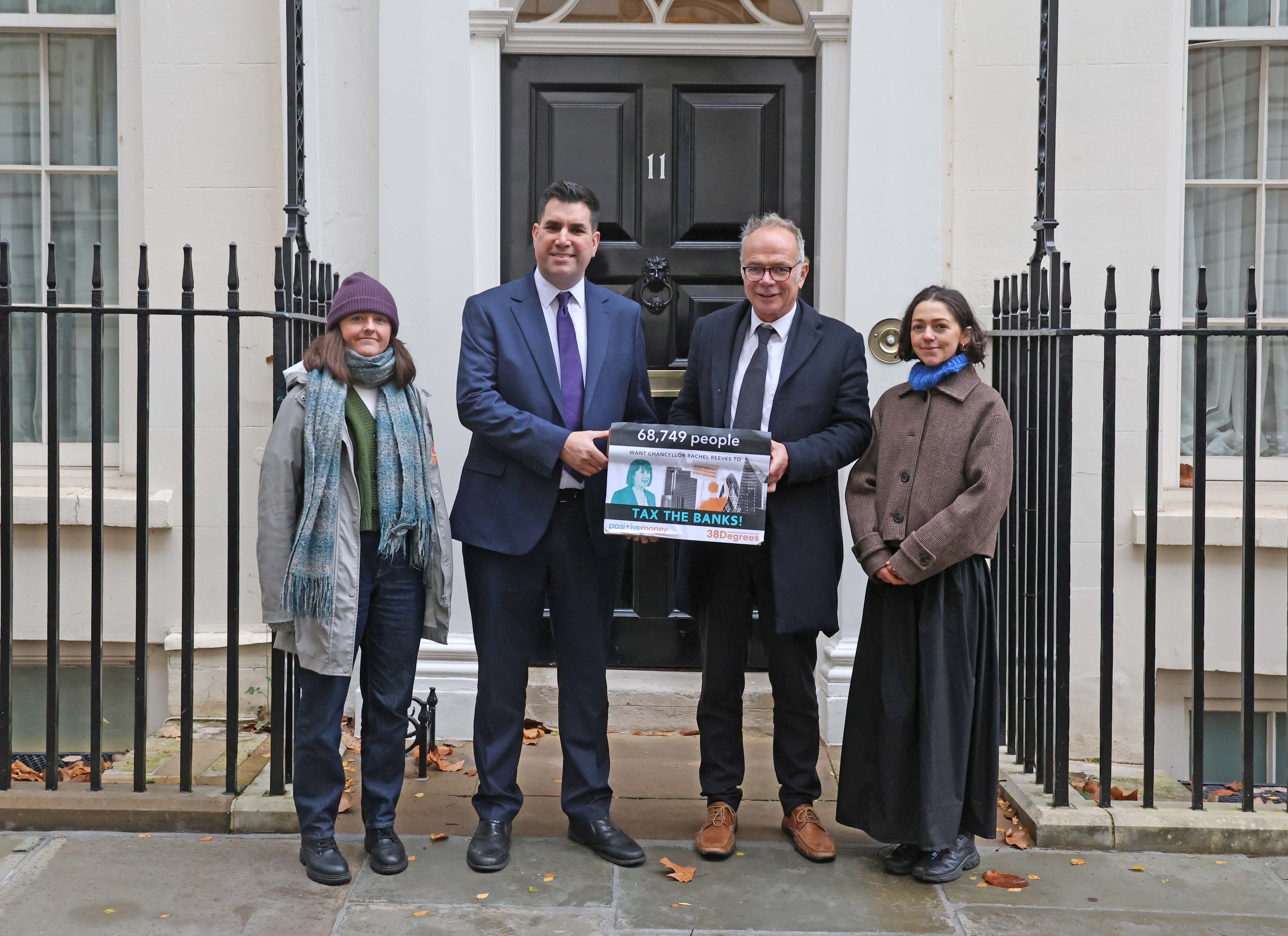
Credit: 38 Degrees / Nigel Howard Media
Building on our previous win at the T20, in November we published a joint briefing with South African partners ahead of the G20 Summit, calling for Local Currency Financing for Climate and Debt Justice. We also collaborated with the New Internationalist on a video explaining the links between the dollar and debt crises.
Last - but by certainly by no means least - our Head of Policy and Advocacy Simon headed to Parliament to give evidence to the Treasury Select Committee on cryptocurrency; drawing on his work with The University of Manchester’s Law & Technology Initiative (MLaTI) on how we can design digital money that’s truly public, unlike crypto, to revolutionise our money and payments system. Be sure to keep an eye out for more on this next year.
And that’s it! We’re so proud of everything we’ve achieved this year, and we really couldn’t have done it without you. Our economic system is crying out to be transformed and it’s your support that fuels the extensive research, political advocacy, and people-powered campaigns we need to win. Thank you - and we can’t wait to see what we can achieve together in 2026.
We rely on the generosity of supporters to make this work possible. That’s why we’ve launched a winter fundraiser, because unlike the big banks we don’t have deep pockets. If you can, please become a regular donor today, to redesign our economic system for people and planet.