

Monetary policy and inequalityUK
20 October 2026
Campaigners call for windfall tax on soaring bank profits
London, 19 October 2026 - UK households effectively paid almost than £44bn for their bank accounts in 2025 due to lenders not passing higher interest rates to their depositors, a more than fivefold increase on the years before the Bank of England started raising rates, according to new Positive Money analysis of data from the Office for National Statistics (ONS).
The ONS uses ‘Financial Intermediation Services Indirectly Measured’ (FISIM) to calculate how much customers are implicitly paying for financial services that don’t charge explicit fees, such as current accounts. It does this by measuring the difference between the interest banks pay on customer accounts and a reference rate, which represents how much banks pay to borrow from each other and how much households potentially could earn. FISIM on household deposits therefore measures how much customers are effectively subsidising their banks by holding money in accounts, and illustrates windfalls enjoyed by banks at the expense of depositors if a rise in FISIM is not accompanied by a commensurate increase in the amount banks spend on providing services.
Positive Money’s analysis of the ONS’ FISIM data shows that between 2022 and 2025 - the years since rates have started rising - households effectively paid an average of £41.3bn for their bank accounts. Adjusted for inflation, that’s around five times the annual average for 2009-2021 (£8.3bn), before the Bank of England significantly raised rates, illustrating the scale of the windfall banks are enjoying at the expense of the British public. It’s also three times the 1987-2021 annual average (£12.5bn) adjusted for inflation - during most of which time, rates were even higher than they are now, showing how banks are getting much worse at passing on rates to savers
When the Bank of England raises the base interest rate, it increases the amount of interest it pays to high-street banks on the money it created through quantitative easing, which banks hold in accounts at the central bank (like a bank account for banks). It does this with the expectation that banks will pass those higher rates on to savers and depositors. Yet, despite the Bank of England’s 14 consecutive interest rate hikes between December 2021 and August 2023, the amount of deposits in the UK that receive no interest at all has increased to more than £450 billion, up from around £260 billion in 2018.
What’s worse, all the extra interest that the Bank of England pays banks on their reserves is a cost currently being covered by the Treasury. Of the £17bn the Treasury handed to the Bank of England to cover its losses in the year to February 2026, £12bn went towards covering interest paid on banks’ risk-free reserves. For context, this is the same government that tried to cut disability benefits last year to save £5 billion - and all the while it was paying more than double that to the banking sector.
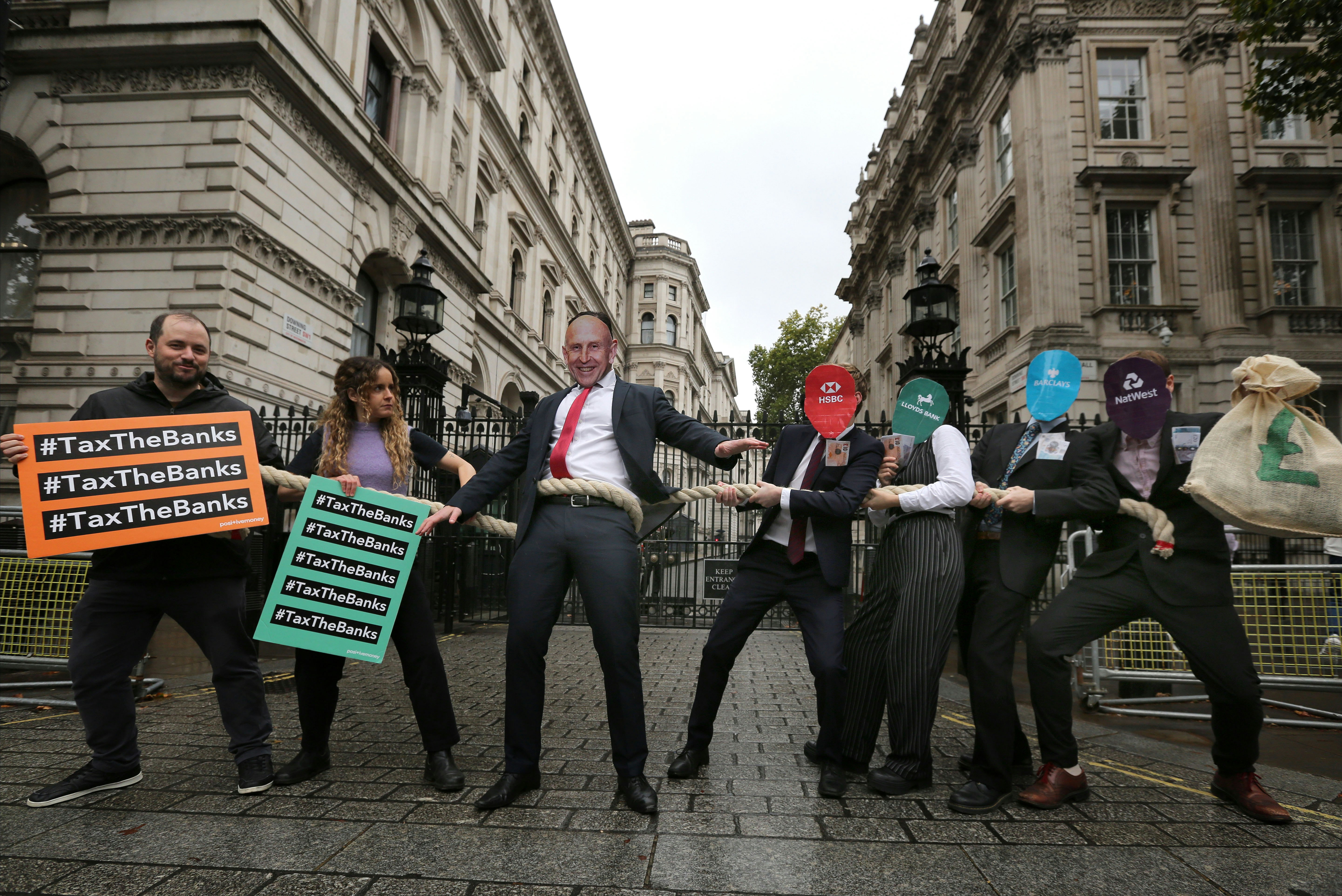
Simon Youel, Head of Policy and Advocacy at Positive Money - an organisation which has been campaigning for a windfall tax on soaring bank profits for almost four years now - said:
“For anyone unsure whether British banks are enjoying windfall profits, the answer is helpfully spelled out in the national accounts. Since 2022, the amount UK households have effectively paid for their bank accounts has been around five times as much as in the years before the Bank of England hiked rates, even after inflation.
“This dramatic increase in the cost of banking has not been reflected in the quality of services provided, with banks continuing to close branches and neglect local communities. It is simply a windfall from higher interest rates.
“Rather than just using the higher cost of borrowing as an excuse for inaction on the cost of living crisis, the Chancellor should use the Budget to claw back the spectacular profits banks have enjoyed from higher rates at the public’s expense with a windfall tax.”
Notes to editors:
The full briefing is available here: https://www.datocms-assets.com/132494/1790853531-britain-s-cost-of-banking-october-2026.pdf
The ONS’ latest data (released 30/09/26) can be found here: https://www.ons.gov.uk/economy/grossdomesticproductgdp/timeseries/crnc/ukea
Positive Money’s windfall tax estimates can be viewed here: https://positivemoney.org/uk/press-release/windfall-tax-on-colossal-bank-profits-could-raise-pound19bn-in-2026/
Contact:
For more information please contact Chloe Musto at press@positivemoney.org.uk
About Positive Money:
Positive Money is an international research and campaign organisation working to redesign our economic system for social justice and a liveable planet. Set up in the aftermath of the financial crisis, Positive Money is a not-for-profit company funded by charitable trusts and foundations, as well as small donations from its network of supporters. Find out more: www.positivemoney.org
ENDS